Posodobili smo letopis…

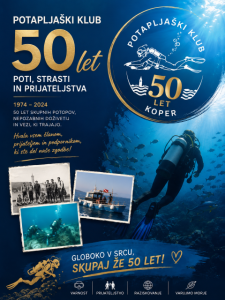
Spoštovani člani,
V skladu s statutom društva vas vabimo na skupščino PLK Koper, dne 26.3.2026 s pričetkom ob 19:00 uri kjer bomo pregledali preteklo delo, potrdili letno poročilo 2025 in izvolili nove organe društva.
Verifikacija prisotnih članov in ugotovitev sklepčnosti
Potrditev dnevnega reda
Poročilo predsednika o delu društva za leto 2025
Finančno poročilo za leto 2025
Poročila sekcij in komisij društva
Razprava in potrditev letnega poročila za leto 2025
Razrešitev dosedanjih organov društva
Izvolitev volilne komisije
Volitve organov društva:
predsednik
upravni odbor
nadzorni odbor
disciplinska komisija
Program dela za leto 2026
Razno
Ker je letošnja skupščina volilna, vas vljudno prosimo za predloge članov organov PLK do torka 24.3. : predsednik, tajnik in blagajnik (predstavnik komisije za izobraževanje, vodja ekipe reševalcev, tehnični referent ter vodja ene od sekcij so člani UO PLK po funkciji), tri člane nadzornega odbora in pet članov disciplinske komisije, na email predsednika d.ribaric@gmail.com
Vljudno vabljeni!
Vabilo je objavljeno na spletni strani društva in na oglasni deski na sedežu društva, skladno s statutom.
Upravni odbor
PLK Koper
Pozdravljeni,
vabljeni na redno letno skupščino PLK Koper, ki bo v četrtek, 20. marca 2025 s pričetkom ob 19.uri v prostorih PLK.
Dnevni red:
Lep potapljaški pozdrav
Koper, 5.3.2025
Domagoj Ribarič
Predsednik PLK Koper
DAN POTAPLJAČEV SLOVENIJE
Fiesa, 1. junij 2024
PRIJAVE
Prijave oddajte do 29. maja preko prijavnice na: http://goo.gl/forms/7EgjPqWrR1
Informacije na: dan.potapljacev@gmail.com.
POTAPLJAČI NE POZABITE NA POTAPLJAŠKE DOKUMENTE.
KOTIZACIJA
1) ČLANI SPZ in njihovi družinski člani, ki se PRIJAVIJO do 29. maja: BREZPLAČNO
2) ČLANI SPZ in njihovi družinski člani, ki se PRIJAVIJO po 29. maju: 10 €
3) DRUGI UDELEŽENCI: 30 €
PROGRAM
Sobota, 3. junij
10 – 11 dobrodošlica v Fiesi, prijava za potope in ekip za IGRE BREZ DNA.
11 – 14 POTOPI NA POTOPLJENE LADJE (prevoz s čolni in potapljaško ladjo, ne pozabite na potapljaške dokumente), sončenje in družabne igre na plaži
13 – 15 potapljaško kosilo
15 – 18 IGRE BREZ DNA
18 – podelitev nagrad in potapljaško druženje
Lepo vas vabimo na največji in osrednji potapljaški dogodek v Sloveniji Dan potapljačev Slovenije. Ponovno bomo poskrbeli za LEPE POTOPE, HRANO IN PIJAČO v IZOBILJU, SEJEM POTAPLJAŠKE OPREME po ugodnih cenah in tradicionalno LEPO VREME, vsi skupaj pa bomo s svojo dobro voljo ustvarili prijetno vzdušje in nepozabno soboto.
Svojo floto bo predstavila Podvodna reševalna služba Slovenije.
Na naslov dan.potapljacev@gmail.com prijavite svojo ekipo za »IGRE BREZ DNA« s katerimi si bomo krajšali in popestrili čas med potopi ter se potegovali za BOGATE NAGRADE.
Nadaljujemo z ekološki pomenom prireditve, zato bomo potapljače zaprosili, da med potopom izvedejo čistilno akcijo.
Pozdravljeni,
vse člane društva vljudno vabimo na redno letno skupščino PLK Koper, ki bo v soboto, 28. marca 2024 s pričetkom ob 19. uri v prostorih PLK.
Predlagan dnevni red:
Prosim, da najkasneje do torka, 25.3.2024 potrdiš tvojo prisotnost in morebitno prisotnost spremljevalca-ke.
Prisotnost potrdiš:
Koper, 14.3.2024
Domagoj Ribarič
Predsednik PLK Koper
Tradicionalno XIX. Darovanje sarme Neptunu bo 6. januarja v Fiesi s pričetkom ob 11h uri. Po uvodnem pozdravu se bomo ob 12h uri opravili v morje, kjer bomo Neptunu darovali Sarmo za lepe in predvsem varne potopu v letu 2024. Po potopu se bomo odpravili v klubske prostore, kjer bo sledila podelitev diplom vsem udeležencem.
Članarina za člane potapljaške sekcije za leto 2024 znaša 50€ (koledarsko leto)
Članarina za člane ribiške sekcije za leto 2024 znaša 20€ (koledarsko leto)